

Wisdom Tooth Extractions La Crosse
Removing Troublesome Third Molars

During adolescence or early adulthood, most people develop a third set of molars at the back of their mouth. Unfortunately, these teeth, known as wisdom teeth, can spell trouble for your oral health! That is why our La Crosse dental team offers expert wisdom tooth extractions. If you believe that your third molars need to be removed, or you have questions about what to expect from this procedure, we are ready to consult with you. Get in touch with All Smiles today!
Why Choose All Smiles Implants and Family Dental for Wisdom Tooth Extractions?
- Sedation Available for Comfortable Treatment
- Highly Accomplished Dentist & Caring Team
- Multiple Payment Options for Your Convenience
What Are Wisdom Teeth?
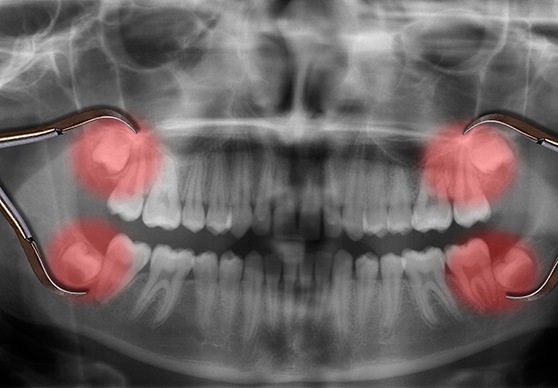
Wisdom teeth are the third set of molars. They are located at the back of the oral cavity, and most people develop one in each quadrant of their mouth. While wisdom teeth are unnecessary for modern people, they played an important role in the lives of our early human ancestors. Because they ate a very rough diet, additional teeth could help them consume food and mean the difference between life and death.
Why Do Wisdom Teeth Need to Be Removed?

Wisdom teeth do not need to be removed in all cases. However, they very often need to be extracted because they can cause several problems:
- Cysts or tumors may form around them.
- They can push against other teeth, forcing them out of alignment.
- Wisdom teeth may be difficult to clean, putting them at risk of cavities and infections.
- Wisdom teeth can trap food around them, which can endanger adjacent teeth.
The above-listed problems are especially common among wisdom teeth that are impacted (stuck fully or partially beneath the gumline). Impaction typically occurs because there is not enough room in the mouth to accommodate an additional set of teeth.
What to Expect from the Wisdom Teeth Procedure
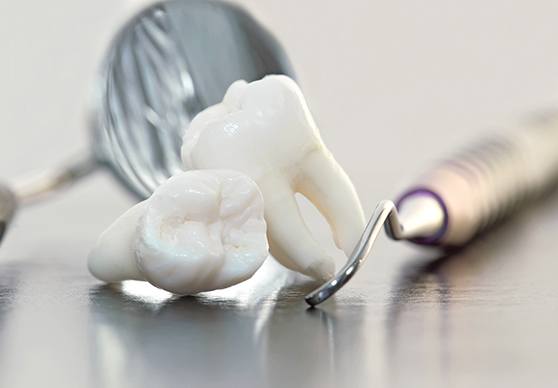
Our team strives to make the wisdom tooth procedure as easy as possible. We start by numbing the area and possibly administering sedation. Then, if a tooth is fully erupted, we lift it with an instrument called an elevator before we grip it with forceps and break the connective tissues holding it in place.
If a tooth is impacted, removing it can be more complex. It might be necessary to create incisions in the gums or break a tooth into pieces in order to completely extract it.
Recovering From Wisdom Teeth Extraction

Most people are fully recovered from wisdom teeth extractions within 1 – 2 weeks. In the meantime, there are steps you can take to support your body’s recovery process:
- Take any medications prescribed by our team.
- Keep up with thorough oral hygiene, but be very gentle around your extraction sites.
- Do not smoke.
- Do not drink through a straw.
- Eat a soft diet that requires little to no chewing.
- Reach out to our team if you have any questions or concerns about how your mouth is healing.
Understanding the Cost of Wisdom Tooth Extractions

When patients start asking about the cost of wisdom tooth extractions, we always give an honest answer: it varies. Every case is different, and the final price reflects the unique details of your situation. At our La Crosse dental office, we don’t start until you have all the information you need to be comfortable with your decision, including a clear cost estimate. And if you need help with covering your treatment? You have options.
Factors That Can Impact the Cost of Wisdom Tooth Extractions
There are several variables that our dentist in La Crosse considers when determining the cost of your extraction. Understanding these factors can help you think of questions to ask so you feel confident going into your consultation:
Does Dental Insurance Cover Wisdom Tooth Extractions?

Not all dental insurance plans offer benefits for oral surgeries. However, most will usually cover at least a portion of the cost of wisdom tooth extractions when they're deemed medically necessary due to impaction, infection, or crowding.
Navigating your plan’s benefits can be difficult unless you know where to look. We’ll help you get the diagnoses you need, check the details of your benefits, and even file claims on your behalf.
Other Options for Making Wisdom Tooth Extractions Affordable

If insurance doesn't cover the full cost, or if you're currently uninsured, you’re not out of options. We proudly offer CareCredit financing, which lets you get the treatment you need now and pay your balance off over time.
Additionally, our All Smiles Club membership plan is another great option to reduce out-of-pocket costs. If you need wisdom tooth extractions but are unsure about how you’ll cover the cost, reach out to us. We’ll explore every avenue to heal your smile.
Wisdom Tooth Extractions FAQs
Why Do We Have Wisdom Teeth?
Wisdom teeth may seem like little more than an inconvenience in modern times. However, they are remnants from our ancient ancestors, who needed extra chewing power to process a rougher diet. They ate a lot of things like roots, nuts, and raw meats; as you can imagine, a third set of molars came in handy! As humans have adapted to softer diets and advanced eating techniques, the function of these additional teeth has become less essential.
Does Everyone Have Wisdom Teeth?
Not everyone develops wisdom teeth. In fact, some individuals may be missing one or more wisdom teeth, or may not develop them at all. Genetics play a significant role in whether you will have wisdom teeth, as some families are more likely than others to have fewer or completely absent third molars. This variance is perfectly normal and does not impact overall oral health.
Keep in mind that even if you cannot see or feel your wisdom teeth, you might still have them! They could be stuck beneath the gumline, or perhaps they have not yet developed. During routine checkups, our team can check for signs of developing wisdom teeth and let you know if/when removal becomes necessary.
How Do You Make Wisdom Teeth Pain Go Away?
Wisdom tooth pain can result from impaction, infection, or pressure against neighboring teeth. Depending on the source, we may recommend over-the-counter pain relievers, warm salt water rinses, or other at-home means to manage discomfort before further treatment.
Ultimately, removing problematic wisdom teeth is the only way to permanently alleviate pain and prevent future complications.
Is Wisdom Tooth Removal Painful?
We understand that the thought of having wisdom teeth removed can be concerning. At our dental office, we take every measure to ensure your experience is as comfortable as possible. We use modern anesthesia techniques to numb the area and, if needed, offer sedation options for a relaxed procedure.
After the extraction, it is common to experience some swelling and mild discomfort, but these symptoms can be managed with medication and home care instructions. Our team will provide detailed post-operative guidance and support to help you recover quickly and comfortably.
What Is the Best Age to Get Wisdom Teeth Removed?
The optimal time for wisdom tooth removal is typically during the late teenage years or early twenties, when the roots are still developing. At this stage, the procedure tends to be simpler and recovery is usually faster. Early removal can also prevent issues such as crowding, impaction, or infection, which are more likely to occur if the teeth are left untreated.
Of course, successful wisdom tooth removal can be performed for patients of virtually all ages. Even if you have several decades of life experience, you can undergo this procedure if your wisdom teeth become problematic.