

Dental Implants La Crosse
Making Your Smile Better Than Before

Whether you’re missing a single tooth or all of them, dental implants can help you look and feel like your teeth were never gone. Dr. Saphner has placed countless implants and can even bring back an entire row of teeth in one visit using the All-on-6 procedure. This state-of-the-art treatment is available right here at home, and you can get started rebuilding your smile by scheduling an initial consultation today for dental implants in La Crosse.
Why Choose All Smiles for Dental Implants?
- All-on-6 Replace a Full Row in Just One Appointment
- Implant Placement & Restoration Completed In-House
- Treatment Planning Using the Latest Dental Technology
What Are Dental Implants?
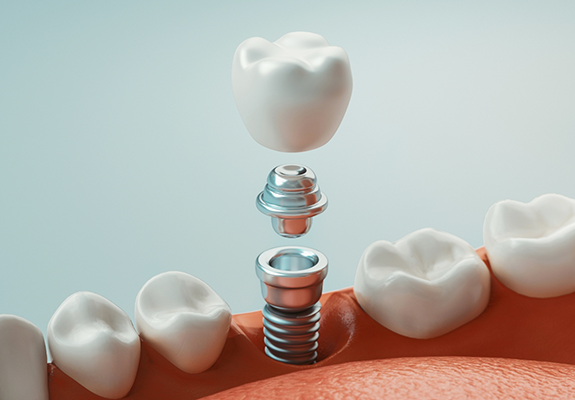
A dental implant resembles a tiny screw made of titanium. It’s surgically positioned within the jaw in the space left by a tooth, and there, it will actually meld with the surrounding bone through a natural process called osseointegration. This makes it as strong as a natural tooth root, and then it can be attached to a crown, bridge, or denture on top to bring back however many teeth a patient needs.
The 4-Step Dental Implant Process
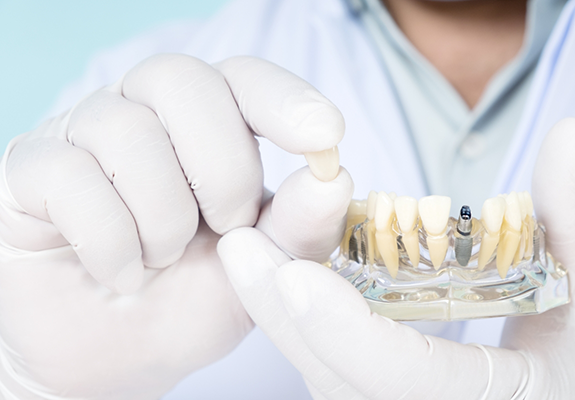
The dental implant process is lengthier and more complex than what you would expect with traditional dentures or a fixed bridge. In fact, it can take several months to complete. Do not let that discourage you, though; the results are well worth it! Plus, our expert team will be with you every step of the way, from your initial consultation to the wonderful moment when your new teeth are in place. Would you like to learn more about the road ahead? Here is a basic overview of the four-step dental implant process:
Initial Dental Implant Consultation
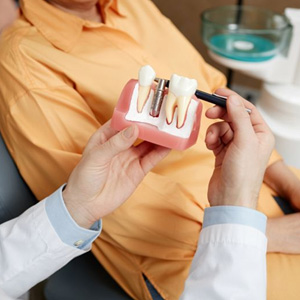
This initial appointment is the launching pad for your new smile! You’ll sit down with Dr. Saphner and our team and let us know all about your goals. We will also perform a thorough exam as well as take high-quality images of your mouth. Based on the information we gather, Dr. Saphner can start planning the rest of your treatment journey. You might be able to get dental implants right away, or you may need some preliminary care, such as a bone graft or gum disease treatment. If you have any questions, be sure to bring them up during your consultation. We want you to feel well-informed about the road ahead!
Dental Implant Surgery
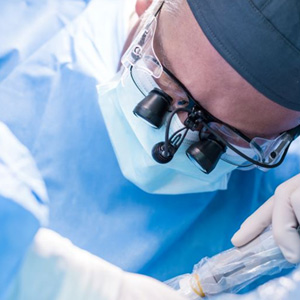
Some practices must refer their patients to an outside specialist for the dental implant surgery, but not our La Crosse team! Dr. Saphner is well-qualified to handle the surgical placement of your dental implants himself, following a detailed treatment plan crafted using our sophisticated imaging technology. This helps to streamline your journey and alleviates the stress that can come from bouncing between practices.
The surgery itself is pretty straightforward. After we make you comfortable, Dr. Saphner will carefully access the jawbone and place your implants at their pre-planned positions. Once any incisions are closed, you can go home to start your recovery.
Dental Implant Osseointegration & Abutment Placement
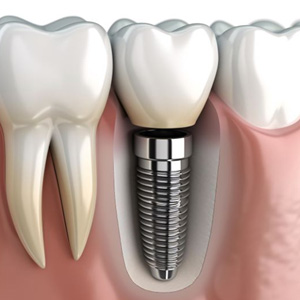
It will take about 3 - 6 months for your implants to bond with your jawbone. This happens through a remarkable biological process known as osseointegration.
Once adequate osseointegration has occurred, you might need to undergo a second minor surgery. Dr. Saphner will expose the tops of your implants and place healing caps on them. Then, we’ll attach an abutment on top that will serve as the connector to your new teeth. (Some patients receive abutments during the initial implant procedure, so this second surgery is not always necessary.)
Delivery of Dental Implant Restorations

The big day has arrived! Our team will take detailed impressions of your mouth, and they will serve as the basis for designing your beautiful new teeth. After a laboratory fabricates them, Dr. Saphner and our team will carefully inspect them to make sure they live up to our rigorous quality standards. Then, we will attach them to your implants. We will give you some tips on how to care for your new crown, bridge, or implant denture before we send you off to start enjoying your freshly restored smile.
Benefits of Dental Implants
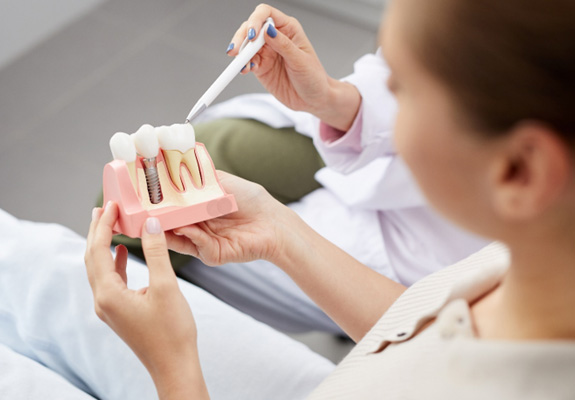
Dental implants continue to gain popularity as one of the most reliable treatments for tooth loss because of their many unique advantages. Unlike alternatives such as dentures or dental bridges, dental implants are surgically placed in your jaw and eventually integrate with the bone to provide a longer-lasting, more resilient treatment for tooth loss.
Continue reading to learn more about the many benefits of choosing to rebuild your smile with dental implants, and feel free to contact us to schedule a consultation!
Day-to-Day Benefits

Tooth loss can potentially detract from your daily quality of life in several ways. For example, you might feel self-conscious about the changes to your appearance, or struggle to eat and speak normally.
Dental implants can help by:
- Restoring your biting power. This is the only treatment that can return up to 80% or more of your original bite force, resulting in fewer dietary restrictions.
- Overcome speech impediments. Gaps in your grin can cause a lisp, slur, or other changes to your speaking patterns that can be overcome with a lifelike restoration in place.
- Boost your confidence. These replacement teeth are unlikely to become destabilized or dislodged and can be customized to resemble your natural enamel, enhancing your self-esteem.
Health Benefits

Choosing to replace missing teeth with dental implants can also help support your oral and overall health in the following ways:
- Preserve your jawbone. Your jaw starts thinning once teeth are lost and can eventually become too frail to support those that remain, resulting in additional loss. The support rod of your implant functions like a root to stimulate new bone growth when you bite down to strengthen the foundation of your mouth.
- Easily maintain oral health. Implants can function as sturdy, standalone structures and are therefore often easier to brush and floss, which helps prevent dental concerns, such as cavities or gum disease.
- Eat more wholesome foods. Because there aren’t as many dietary restrictions, you can enjoy a wider variety of healthy meals to improve your oral and general well-being.
Long-Term Benefits
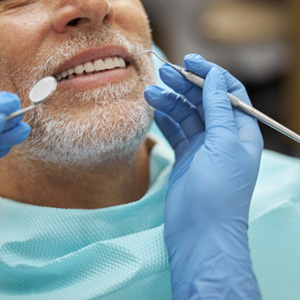
Once the rod of your implant fuses with your jawbone, your new tooth essentially becomes a permanent part of your mouth. As a result, patients enjoy additional long-term advantages, such as:
- High success rate. This procedure has an incredibly high success rate of more than 90%, meaning most patients will recover without developing complications as long as they care for their new tooth correctly.
- Durable materials. The long-lasting ceramic and titanium used for these restorations resist chips, cracks, and stains, and can potentially last for 20+ years when properly maintained.
- Less likely to require repairs. Unlike dentures and bridges, which tend to become ill-fitting or destabilized and fall out of your mouth, implants are firmly rooted and therefore less likely to require costly repairs or replacements.
Bone Grafting
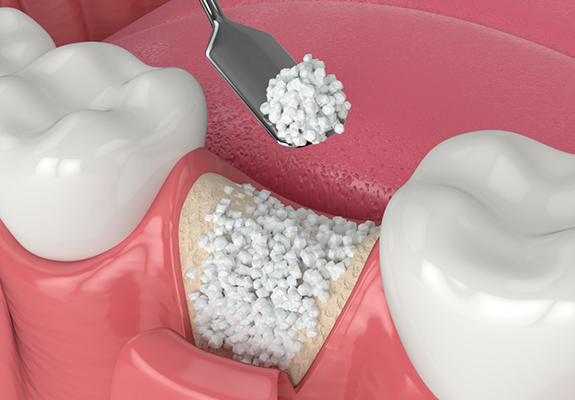
For dental implants to be successful, they need to be supported by an adequately strong jawbone. For some patients who have been missing teeth for a long time, the jaw is too thin or weak to offer a stable foundation. A bone graft can be used to build up the area where the new teeth will be placed, using bone from another part of a patient’s body or donated tissue. This encourages the growth of strong, healthy bone that drastically increases the long-term health and stability of implants.
Sinus Lifts
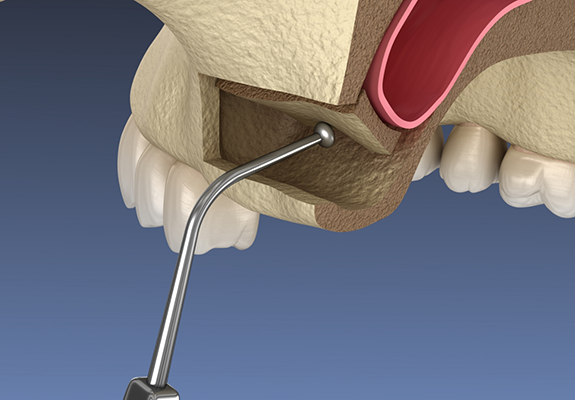
Your sinus cavities sit right above your upper jaw, and rather than being empty voids within your skull, they are lined with a thin membrane. If the upper jaw is too thin, placing an implant toward the back of the upper jaw can actually end up piercing this membrane, and we don’t want that! A sinus lift involves slightly shifting the membrane and using the space to apply a bone graft. This fortifies the jaw, protects the sinuses, and makes implants possible where they previously wouldn’t fit.