

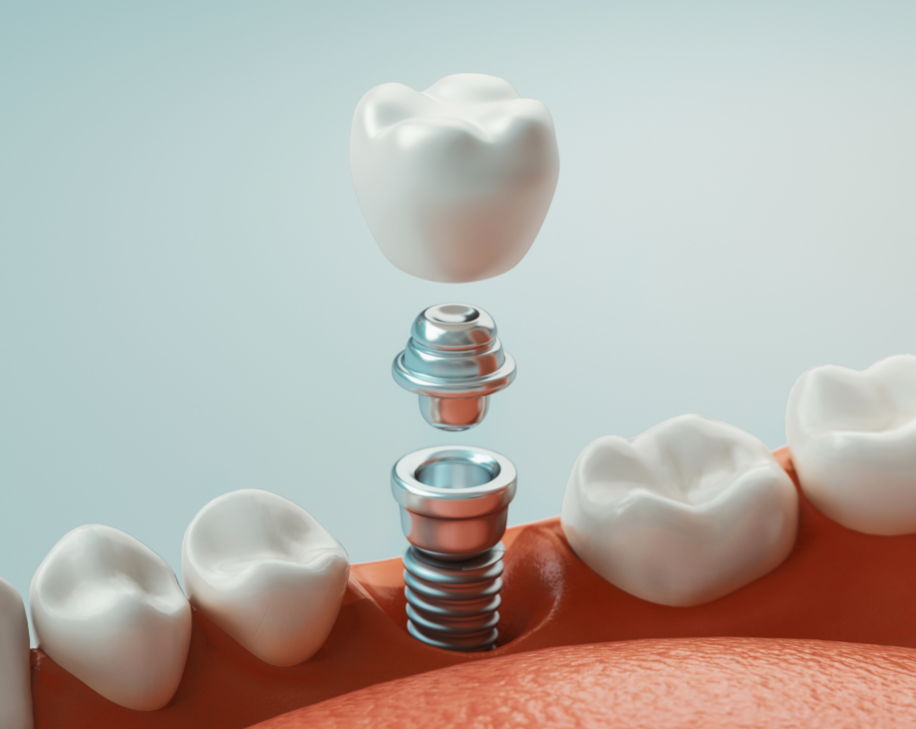
Dental implants are widely regarded as the most reliable option for replacing missing teeth. With a success rate exceeding 95 percent, they offer long-term stability, comfort, and function that other tooth replacement methods often can’t match. But what exactly makes dental implants so predictable and effective? The answer lies in a combination of advanced technology, biology, and careful treatment planning.
Osseointegration: The Foundation of Implant Success
One of the biggest reasons dental implants work so well is a process called osseointegration. This is when the titanium implant post fuses directly with the jawbone. Titanium is biocompatible, meaning the body accepts it naturally without triggering rejection.
As the implant integrates with the bone, it becomes a stable anchor that closely mimics the root of a natural tooth. This direct connection allows implants to handle biting and chewing forces effectively while maintaining long-term stability.
High-Quality Materials Designed to Last
Dental implants are made from durable, corrosion-resistant materials that are designed to last for decades. The implant post itself is typically made of medical-grade titanium, while the restoration placed on top is custom-crafted to match the patient’s bite and smile.
Because these materials are strong and resistant to wear, implants are far less likely to fail compared to other tooth replacement options that rely on surrounding teeth or removable components.
Preserving Jawbone Health
When a tooth is lost, the jawbone beneath it begins to shrink due to lack of stimulation. Dental implants help prevent this bone loss by replicating the function of a natural tooth root. Each time you chew, the implant stimulates the jawbone, helping maintain bone density and facial structure.
This preservation of bone not only improves long-term oral health but also contributes to the implant’s stability and longevity.
Advanced Planning and Imaging Technology
Modern implant dentistry relies heavily on detailed diagnostics and planning. Advanced imaging allows dentists to evaluate bone quality, nerve placement, and anatomical structures before treatment begins. This careful planning ensures precise placement of the implant and minimizes complications.
Customized treatment plans also take into account bite alignment, gum health, and overall oral condition, further increasing the likelihood of success.
Patient Factors and Proper Aftercare
While implants are highly predictable, patient habits and oral health still play an important role. Good oral hygiene, routine dental visits, and avoiding tobacco use all contribute to implant longevity. Patients who follow post-treatment instructions and maintain healthy habits are far more likely to enjoy lifelong results.
Dental implants succeed because they combine strong materials, biological integration, and meticulous planning to restore both function and confidence.
About the Practice
All Smiles of La Crosse provides comprehensive dental implant care focused on precision, comfort, and long-term success. Dr. Saphner takes a personalized approach to treatment, using modern technology and proven techniques to help patients restore their smiles with confidence. From initial planning through final restoration, we’re committed to delivering predictable, high-quality results tailored to each patient’s needs.
Call us at (608) 668-6415 or request an appointment online.